How do I choose the right eyebrow tattoo training program?
Let’s get straight to it: Do I need a certificate to do eyebrow feathering? — The answer depends on where you’re based and how seriously you want to be taken in the beauty industry. In Brisbane (and across Queensland), yes, there are clear legal and safety standards. But beyond the legal side, there’s the simple fact that this is someone’s face. You want to be skilled, safe and confident before picking up a blade, tattoo needle or Tattoo machine.
We’ve trained dozens of Cosmetic Tattoo Artists, seen botched eyebrow tattooing from poorly trained techs and fixed more than our share of shaky strokes. Whether you’re leaning towards ombre brows, Feather brows or classic hairstrokes, the technique still requires precision and training. So if you’re considering a career in cosmetic tattooing, let’s go through what certification means, what you legally need and how to set yourself up for a career that lasts longer than a microblading trend.
Thinking of Tattooing Brows? Brisbane Law
This isn’t just a cosmetic procedure — it’s a form of skin penetration. That means you’re working with tattoo tools, tattoo ink and broken skin, and there are strict infection control regulations involved.
In Queensland, cosmetic tattoo treatments fall under the “Higher Risk Personal Appearance Services” category. Here’s what that means:
- You must have a current Infection Control certificate (specifically HLTINFCOV001 or SHBBINF002, or similar).
- You need council approval and a licensed premises to operate from (this includes mobile setups).
- You may also need a Tattooist licence or a Master licence, depending on the service and council area.
So if you’re planning to offer cosmetic tattoo procedures like eyebrow feathering or brow lamination, you’ll need at least:
- An Infection Control certificate
- Possibly a Higher Risk licence (check with your local council)
- To register your business with your local health department
And no, watching a few social media videos or buying a kit online doesn’t count.
Studio Tip: We’ve had clients walk in with allergic reactions from home jobs done with unregulated cosmetic tattoo components. It’s not just illegal — it’s dangerous.
What a Certificate Covers
Getting a certificate isn’t just about ticking a box. A quality training program for cosmetic tattooing should include:
- Skin anatomy and understanding skin types
- Colour Theory and pigment selection
- Hair stroke techniques (blade and Tattoo machine)
- Eyebrow shaping, Brow shaping and brow mapping
- Infection control, hygiene and safety protocols
- Client consultation and contraindications
- Pre-care and aftercare protocols
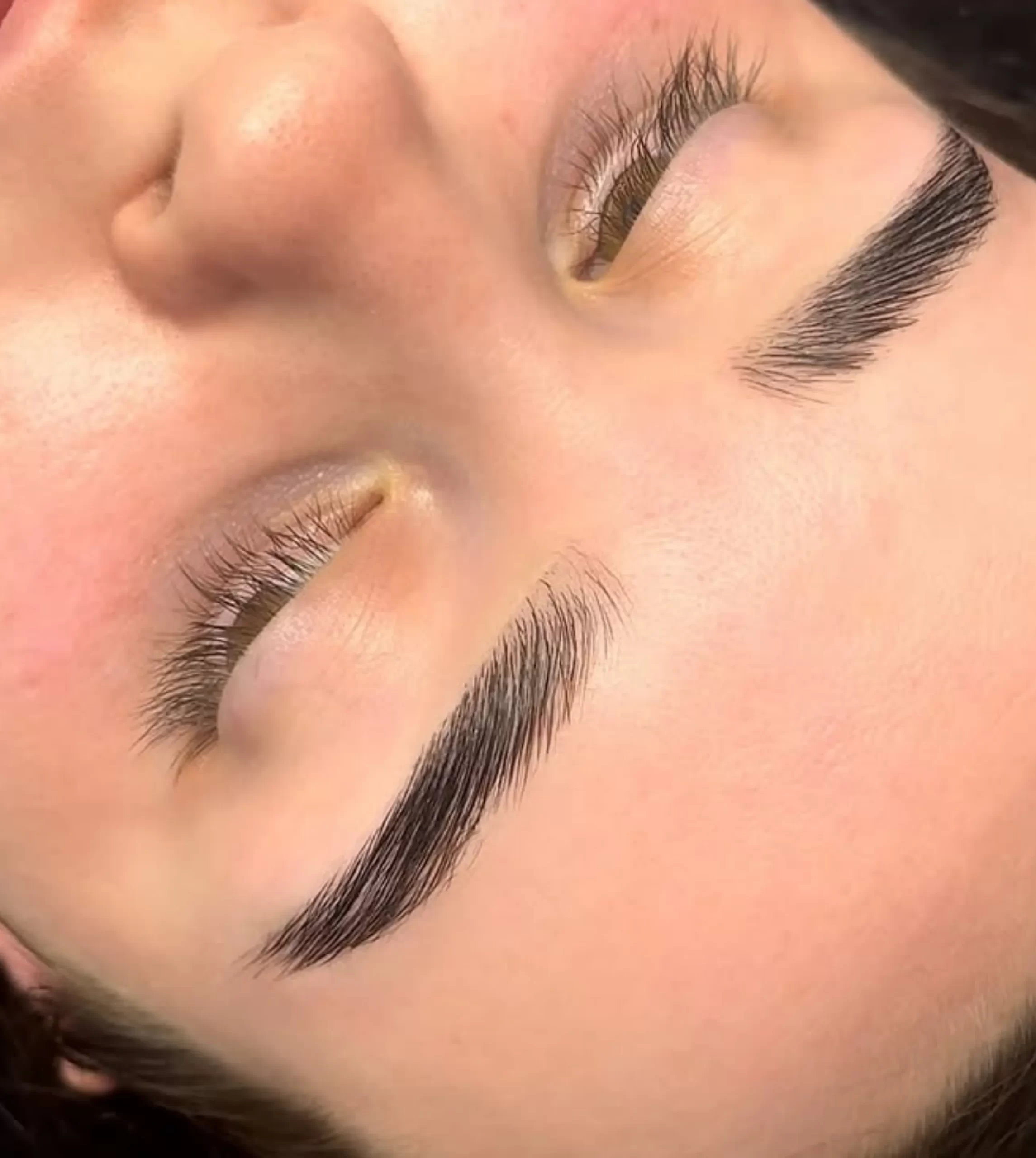
If you’re looking to specialise in soft, natural-looking brows, a structured eyebrow feathering course should cover all of the above with real-time guidance and support.
Look for a training program that includes practical assessment, supervised model work, and a comprehensive training manual. If the course promises a certificate in a day with no hands-on work, run.
We always say: Your certificate should reflect skill, not just attendance.
Why Certification Builds Trust With Clients
Let’s say you’re a client. Would you trust your face to someone who trained over a weekend with no hands-on practice? Probably not.
Here’s what a proper qualification shows your clients:
- You understand how pigment behaves in different skin types and face shapes
- You know how to avoid blowouts, scarring, or patchy fading
- You operate safely and hygienically (which matters more than ever)
- You’re committed to professional industry standards
Our students often tell us that once they added an accredited eyebrow feathering course to their resume, their bookings tripled. In 2025, trust is the new luxury. And that trust starts with your training.
Risks of Not Being Licensed or Trained
Short answer? Fines, shutdowns, and reputational damage.
The Australian Department of Health and Queensland Health take unlicensed cosmetic tattooing seriously. If you perform skin penetration without proper certification or approval, you could face:
- Fines up to $26,690 (for individuals)
- Legal action for client injury or infection
- Forced business closure
We’re not trying to scare you — just being real. The beauty industry has enough dodgy backyard setups. Be the one who does it properly.
Table: Brisbane Laws for Eyebrow Feathering
| Requirement | Mandatory? | Notes |
|---|---|---|
| Infection Control Certification | Yes | Must be nationally recognised (HLTINFCOV001 or similar) |
| Higher Risk Services Licence | Often | Depends on the council — always check local laws |
| Business Registration | Yes | Notify local health dept; apply for council inspection |
| Studio Premises Approval | Yes | Must meet hygiene and sanitation standards |
| Eyebrow Tattoo Training Certificate | Strongly recommended | Builds trust, teaches safe technique |
| Diploma of Cosmetic Tattooing | Optional | Boosts credibility for advanced roles |
Beyond the Basics: What a Great Course Teaches
The best cosmetic tattoo training doesn’t just teach strokes. It teaches:
- Client consulting: How to deal with anxious clients or pigment allergy risks
- Correction work: What to do when a previous permanent eyebrow tattoo needs fixing
- Skin variations: Oily, mature, Fitzpatrick I-VI skins all behave differently
- Machine vs manual work: Understanding tools, tattoo ink, topical anaesthetics and when to use them
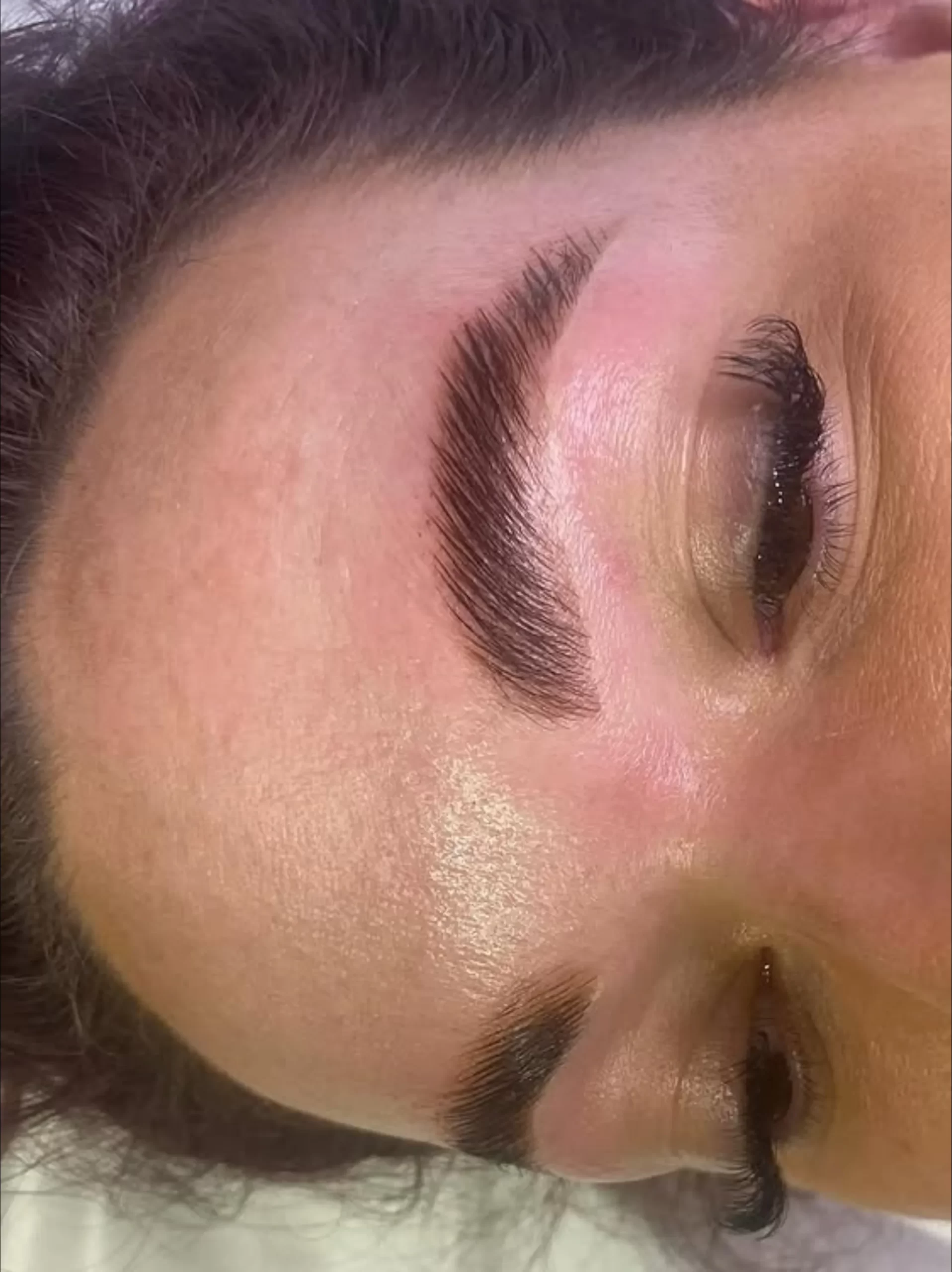
If you want to deliver seamless Feather brows that last and age gracefully, your training needs to go deeper than just technique. That’s where a professional eyebrow feathering course makes all the difference.
We’ve trained students who have come in after doing a cheap course elsewhere, only to realise they never learned how to analyse face shapes or colour undertones. That’s the kind of thing that separates a tattoo professional from someone just following trends.
2025 Brow Trends
According to the Australian Beauty Industry Report 2025, there’s been a 38% increase in consumer demand for certified Cosmetic Tattoo Artists. Clients are doing more research, asking about pigments and requesting portfolios.
Meanwhile, TikTok brow fads come and go — but natural beauty built on clean, safe technique? That never goes out of style.
Client trend we’ve noticed: More women 35+ are booking touch-ups and asking about ingredient safety. They’re not here for hype. They want medical practitioner standards when it comes to their face.
Final Word
So you want to build a career in cosmetic tattooing? Certification isn’t a burden — it’s your launch pad. In a city like Brisbane, where the aesthetic standards are high, doing things right helps you stand out.
Want to know more about getting started or which eyebrow feathering course we recommend? Pop in to the studio or send us a message — we love chatting with future tattoo professionals who want to do it right.
Face Figurati Cosmetic Tattoo Studio in Brisbane is proud to uphold the highest industry standards in cosmetic tattooing, providing both services and training in a safe and supportive environment.
FAQs
Can I do eyebrow tattooing without a certificate if I’m just practising on friends?
No. Practising on real skin is still a skin penetration procedure. You need proper infection control training, hygiene protocols and council approval to legally and safely practice — even on friends.
What’s the difference between microblading and eyebrow feathering?
In Australia, the terms are often used interchangeably. Both refer to hair-like strokes done with a handheld tool, but feathering is sometimes used to describe a softer, fluffier technique. Either way, it’s still cosmetic tattooing and still regulated.
How do I choose the right eyebrow tattoo training program?
Look for a course with nationally recognised infection control certification, hands-on model practice and a strong training manual. Ask who the trainer is, how many hours are included and if Student Support is available after the course.
Do I need insurance to do cosmetic tattoo treatments?
Yes, you should definitely have insurance that covers public liability and professional indemnity. Some providers require proof of certification and training before you can be insured.
Can I get in trouble for using unapproved tattoo tools or pigments?
Yes. Using non-TGA approved pigments or buying tattoo kits from overseas can get you in trouble and risk your client’s health. Always use approved cosmetic tattoo components.