How Long Does Dermaplaning Last?
So you’ve walked out of the salon wondering how long does a dermaplane last? You’re not alone. It’s one of the first things our clients ask after admiring their super smooth cheeks in the mirror. And fair enough! If you’re going to invest in a professional skincare treatment, you want to know how long that fuzz-free glow will last.
Let’s get into what really determines the longevity of your dermaplaning results — and how to get the most out of them.
Your Skin’s Natural Cycle
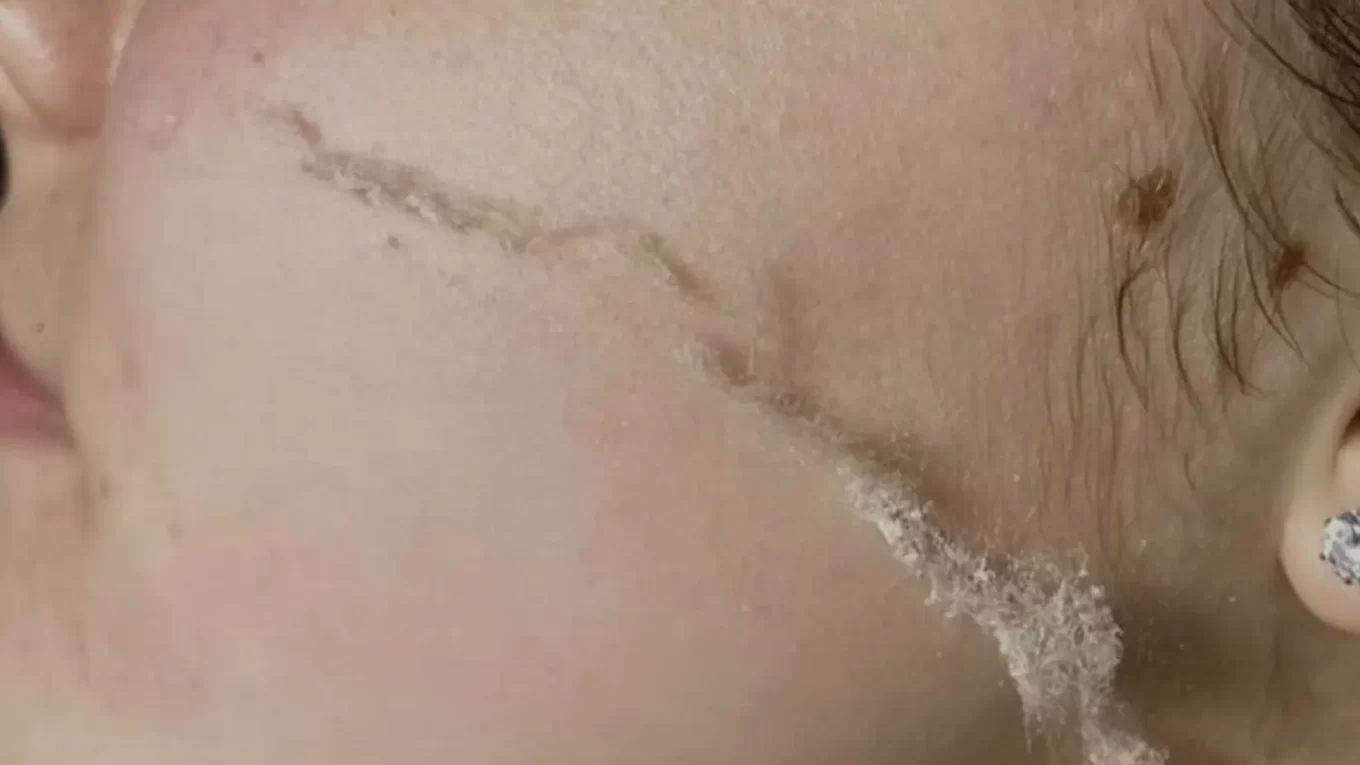
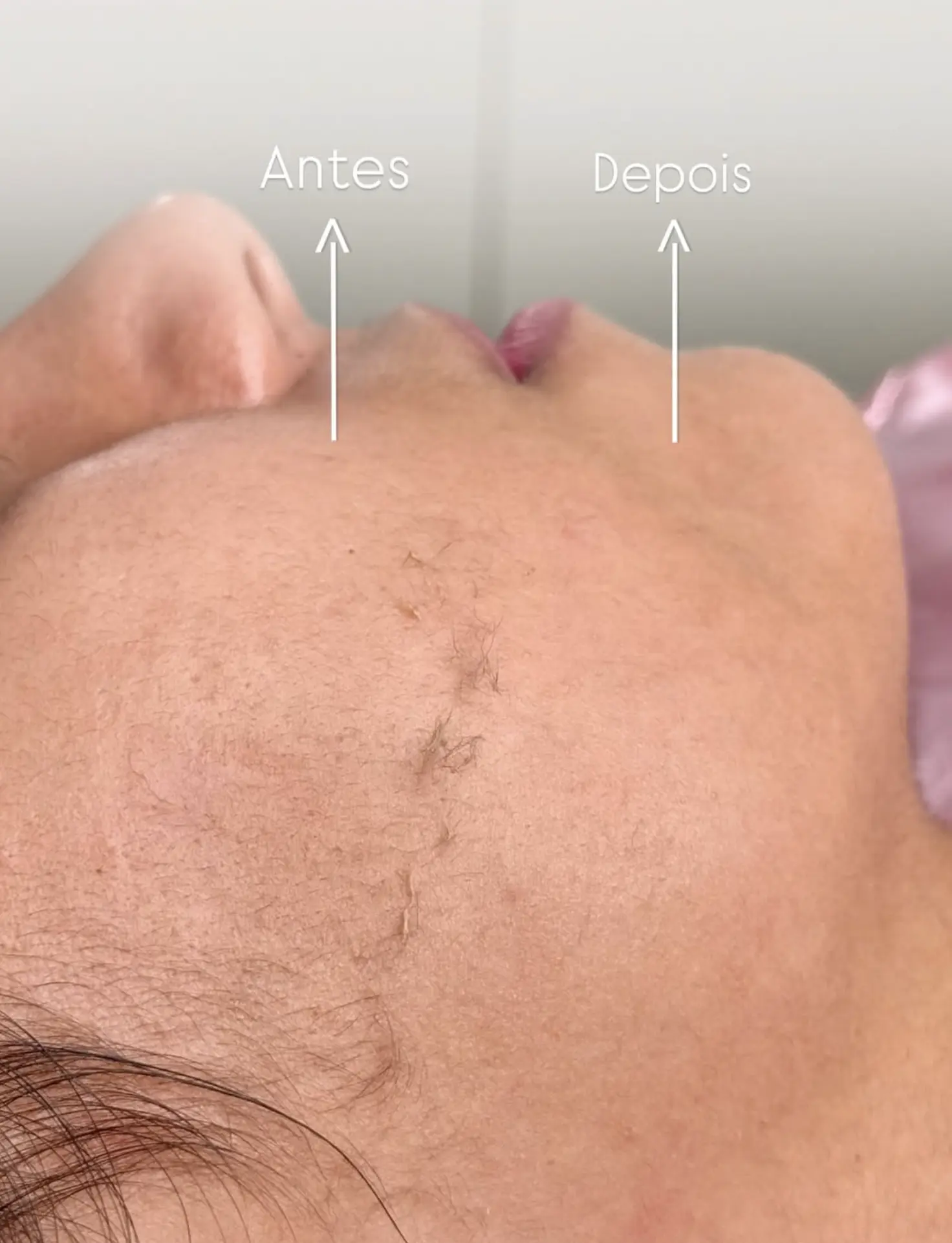
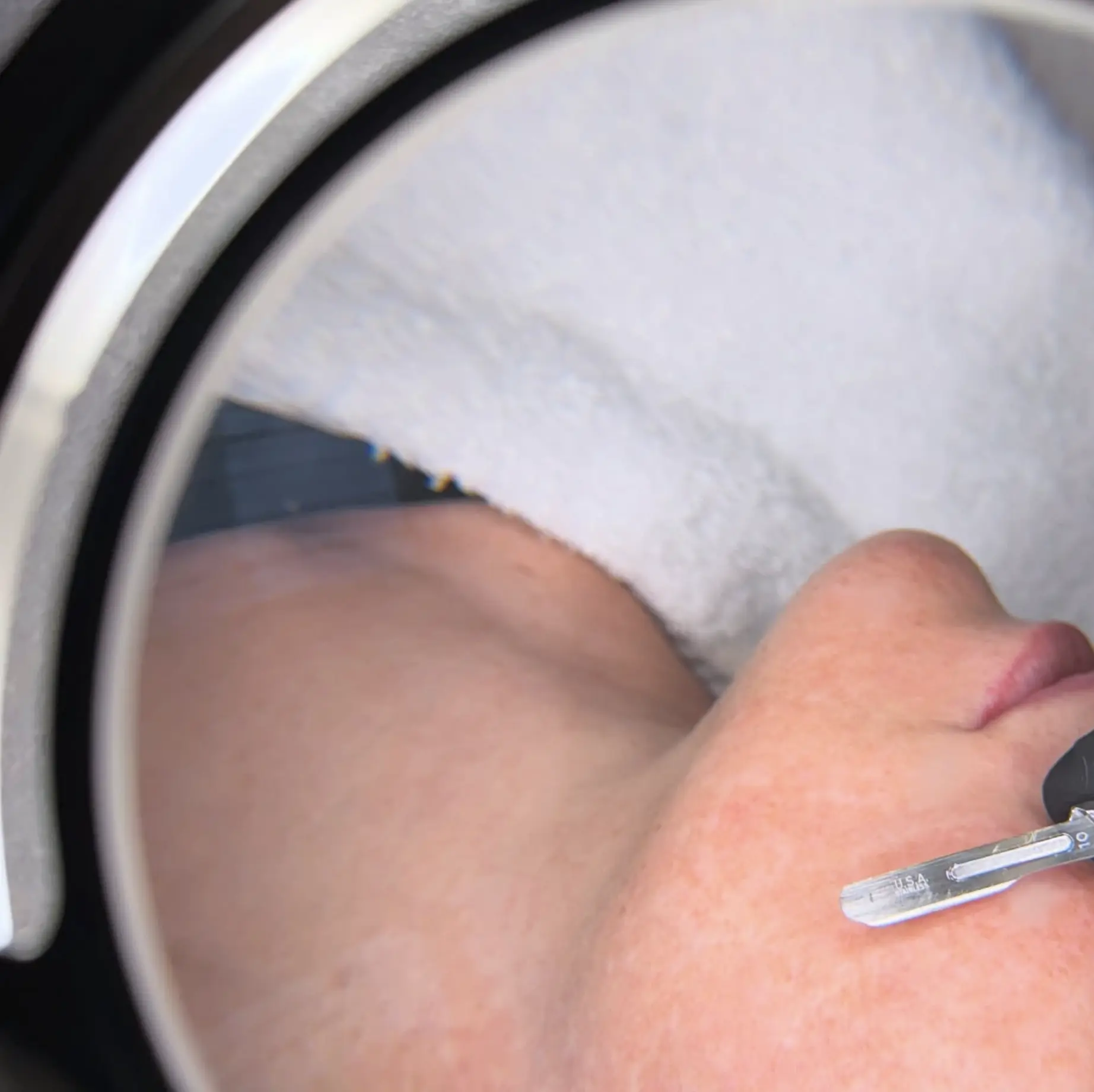
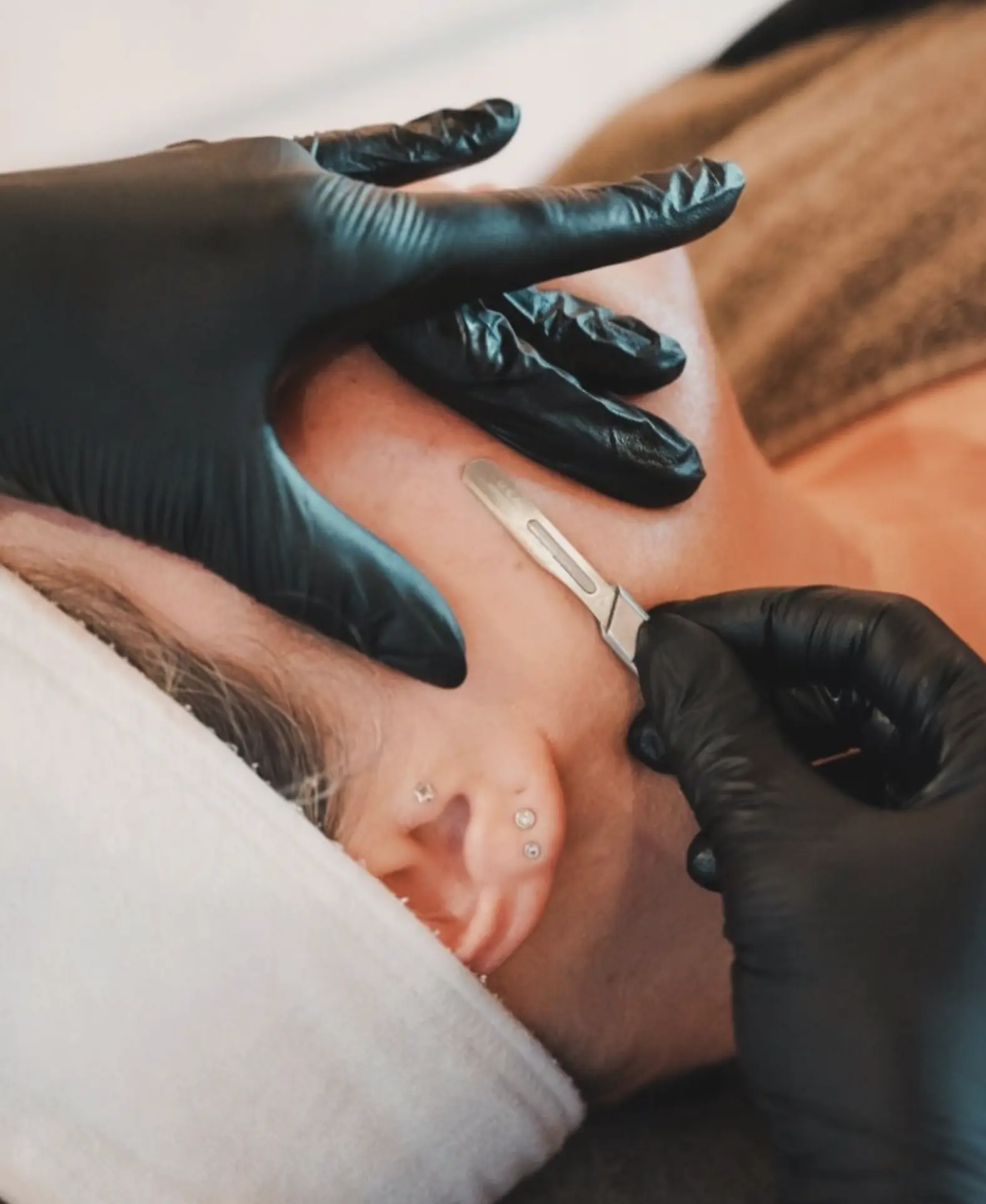
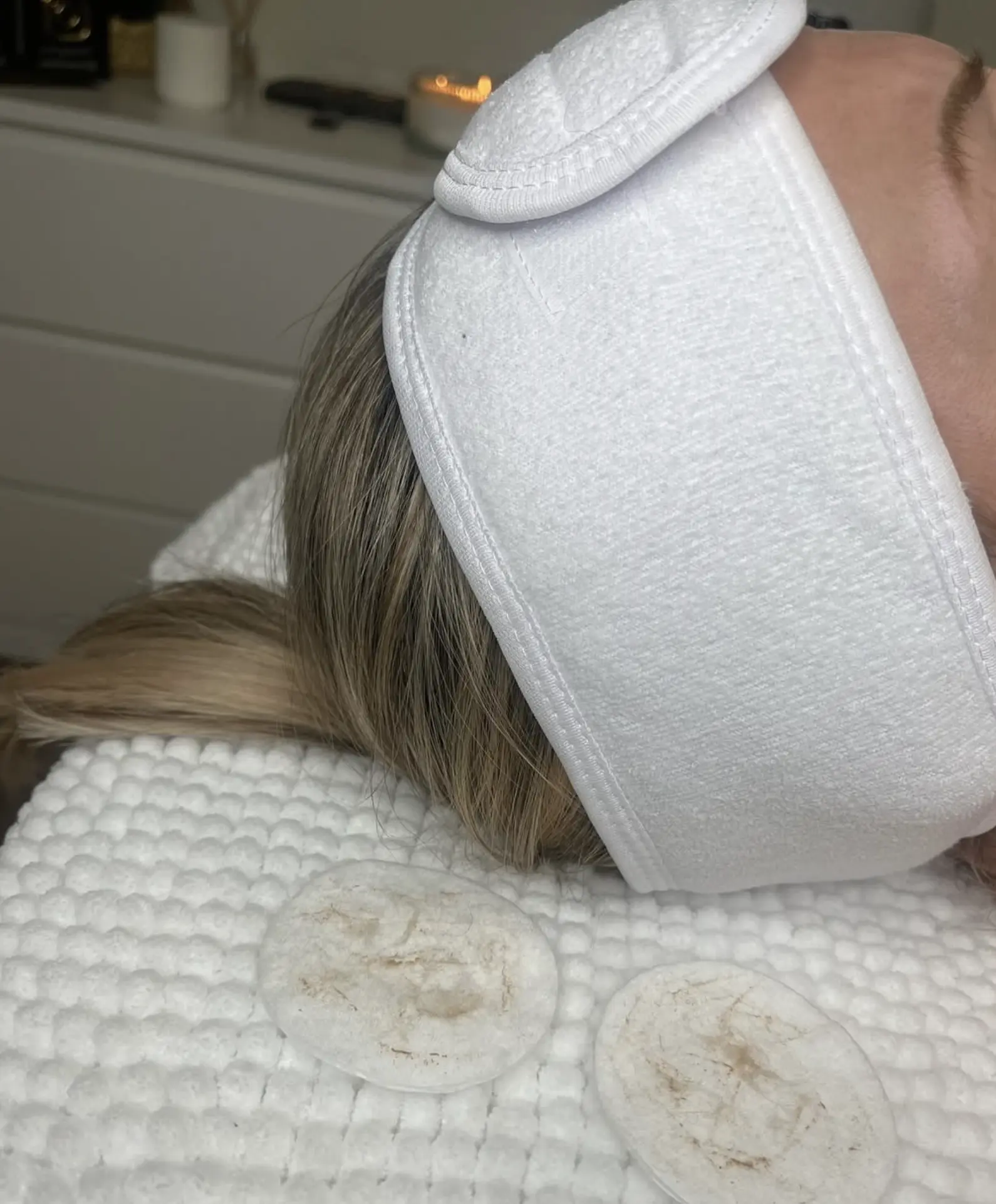
We shed skin cells constantly, and dermaplaning gives that process a major boost. Using a sterile surgical scalpel or exfoliating blade, we remove dead skin and facial hairs (vellus hairs), revealing fresher skin beneath. But just like your hair grows back and your nails need trimming, dead skin builds up again — and that timing is everything.
Most clients see results from dermaplaning last about 3 to 4 weeks, which is roughly one full cycle of cell turnover. That’s how long it takes for your skin cells to regenerate and start bringing back the dullness and texture.
In Brisbane’s climate, we also see slight seasonal variations. Humidity, aircon exposure and sun habits can affect how quickly your skin gets congested again — especially for clients with sun-damaged skin or mature skin.
If you’re interested in the technique or want to become a practitioner, a reputable dermaplaning course will teach you how to work safely with different skin types using sterile tools.
What to Expect After One Session
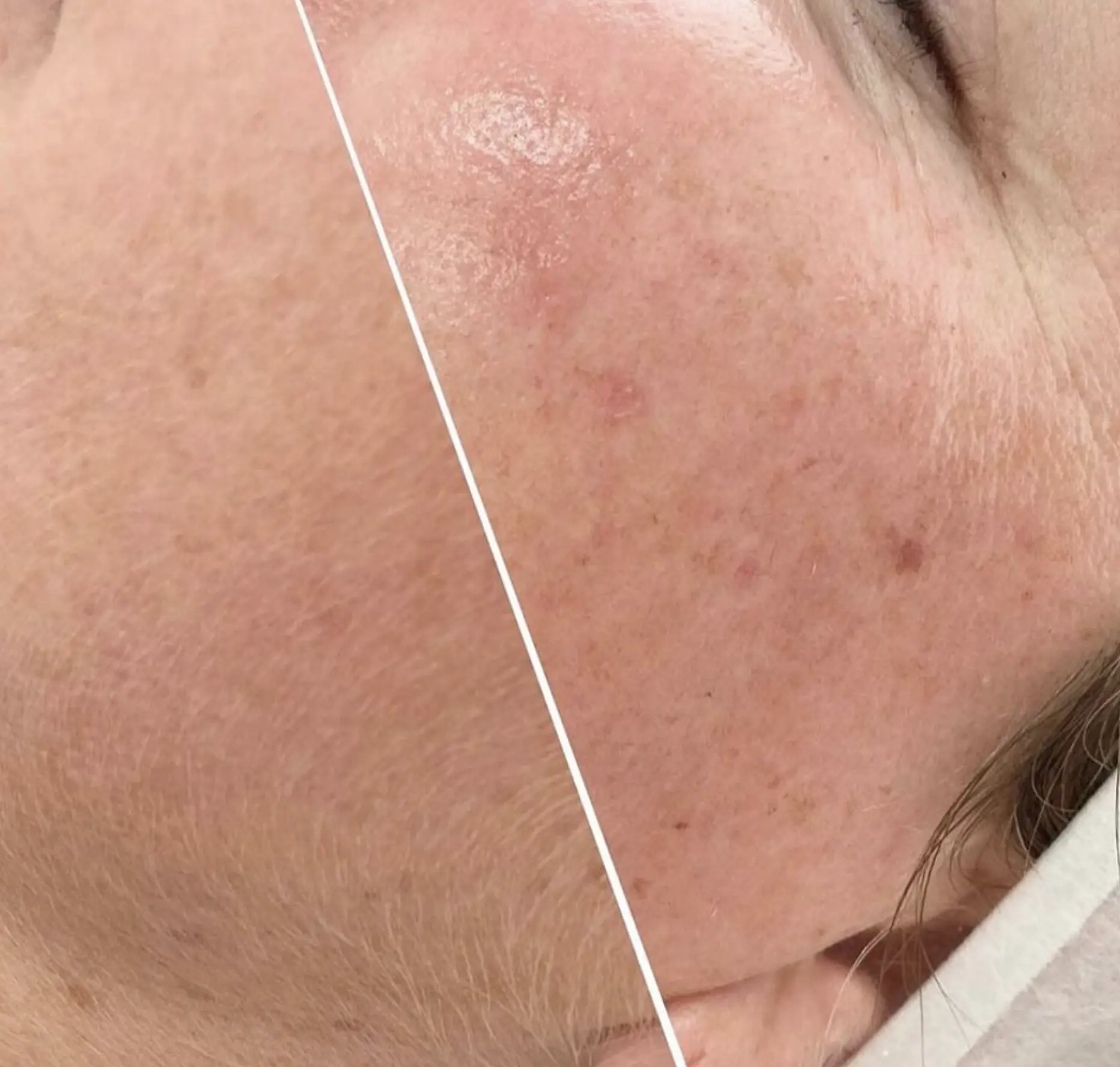
You’ll leave with visibly brighter, smoother skin — that’s a given. Your makeup will apply like a dream, and skincare products like hyaluronic acid, glycolic acids or lactic acid serums will absorb better.
But the biggest changes you’ll notice post-treatment include:
- No more peach fuzz (vellus hairs)
- Instant softness and glow
- Better product penetration
- A smooth canvas for makeup
| Week | What You’ll Notice |
|---|---|
| 1 | Ultra-smooth skin, fuzz-free, radiant skin glow |
| 2 | Still smooth, product absorption is high |
| 3 | Some fuzz returns, minor texture |
| 4 | Skin cell buildup restarts. Time to rebook |
How Often Should You Book?
In our Brisbane studio, most clients rebook dermaplaning every 4 weeks. That frequency works with your skin’s natural cycle of cell regeneration and means you’re always working with a clean, radiant base.
We don’t recommend dermaplaning more often than every 3 weeks. Over-exfoliating can compromise your skin barrier, especially if you’re using active ingredients like polyhydroxy acid or alpha- or beta-hydroxy acid at home.
If you’re doing dermaplaning as a cosmetic treatment to prep for an event, we usually suggest booking 3–5 days out from the date. That way, any slight redness has settled and your glow is in full force.
Whether you’re a first-timer or already a fan, dermaplaning Brisbane appointments should always be performed by certified skincare professionals trained in sterile techniques.
Factors That Affect How Long Your Results Last
No two faces exfoliate the same — here’s what can influence your dermaplaning results:
- Your skin type: Oilier skin tends to congest faster, shortening results.
- At-home skincare products: Harsh scrubs or ineffective cleansing can undo your glow early.
- Sun damage and exposure: UV damage speeds up texture buildup and skin dehydration.
- Hormonal shifts or medical history: These can ramp up oil production or slow cell turnover.
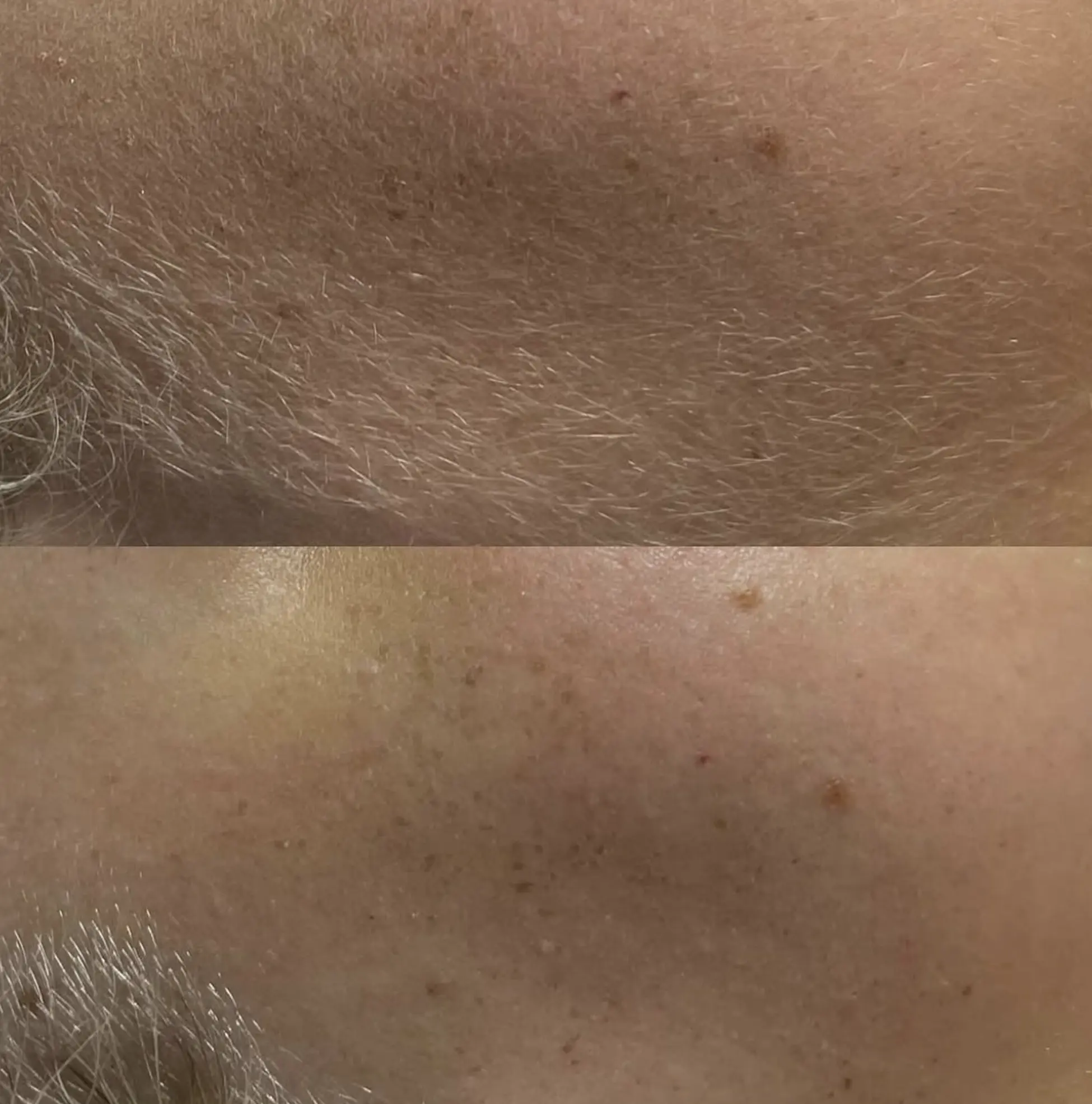
We see particularly impressive results on clients treating fine lines, acne scars, uneven surface texture or dark spots. It’s also helpful for brightening skin discoloration and dullness in sun-damaged skin.
What About Peach Fuzz Regrowth?
Ah yes, the old myth: “Won’t the hair grow back thicker?”
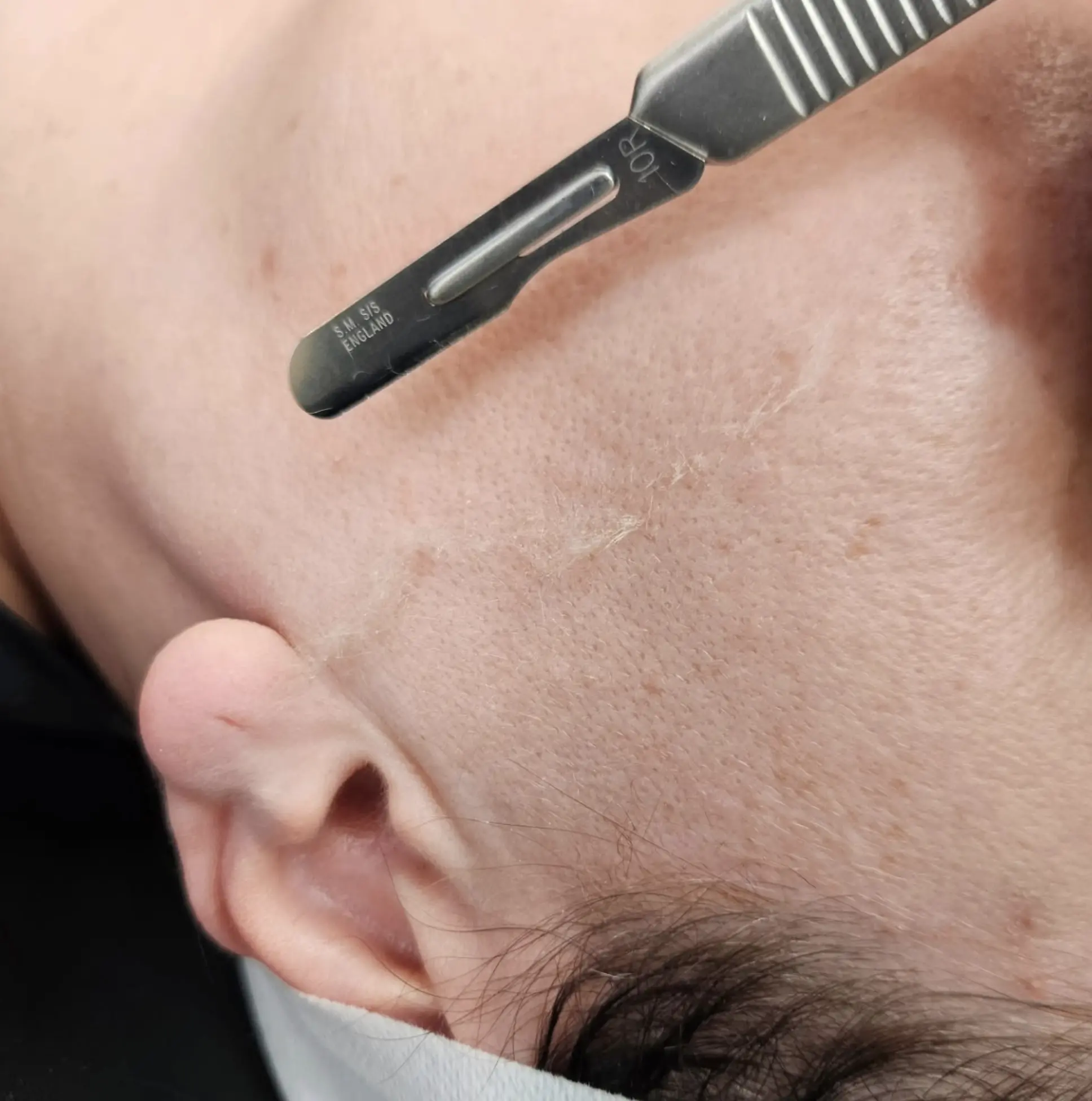
We promise, it won’t. Dermaplaning removes vellus hairs, not terminal hairs — meaning the fine, soft facial hair, not the coarse kind. These grow back at their natural pace and texture.
In most cases, clients start to feel the faintest fuzz around week 3. It’s not stubbly or dark. And no, it won’t suddenly turn you into a bearded lady.
If you’ve ever shaved your legs and noticed prickly regrowth, that’s different. That’s terminal hair. Dermaplaning doesn’t touch that kind of hair — this isn’t traditional hair removal.
Aftercare to Stretch Your Results
Want to keep that post dermaplane glow going strong? It starts the moment you leave the studio — and we make sure all our skincare professionals walk you through it.
Here’s our post-treatment cheat sheet:
- No makeup for 24 hours
- Gentle cleansers only (no actives)
- Hydrating serum (hello hyaluronic acid)
- Broad spectrum sunscreen daily, minimum SPF 30
- No intense workouts for 24hrs (sweat = irritation)
Bonus tip: Add a hydrating jelly mask 2–3 days post-treatment to reboost your skin barrier.
Is Dermaplaning for Every Skin Type?
Not always — and we’re honest about that in every consult. Here’s when we might recommend another treatment instead:
- Active acne or open breakouts: Too risky — can spread bacteria and worsen inflammation
- Inflamed rosacea: Can trigger a flare-up in sensitive skin conditions
- Severe eczema or dermatitis: Skin barrier needs support, not exfoliation
But if you’ve got dry skin, dullness, fine lines or rough patches? Dermaplaning can work wonders. It’s also great pre-event if your makeup normally cakes or clings.
If you’re a beauty therapist looking to add to your skillset, dermaplaning training is worth it — especially with the growing demand for low-downtime facial treatments.
We’ll always consider your skin tone, type and medical history before recommending dermaplaning — and sometimes we may refer you to our dermatology team or dermal therapist for more suitable options like a chemical peel or laser surgery.
Dermaplaning 2025: Why It’s Still Trending
According to 2025 beauty reports, non-invasive cosmetic treatments are leading the way. Dermaplaning bookings have risen by 18% across Australian salons in the last 12 months — with mature skin clients and skincare professionals alike loving it on social media.
Clients want glow without downtime. And with influencers, dermatologists and facialists backing it, dermaplaning is no longer a niche treatment.
What we love most? It’s beginner-friendly, immediate, and works. No fluff, no filters needed. Many of our staff first learned the technique through a certified dermaplaning course where they learned how to tailor treatments to different skin concerns and surface textures.
Conclusion
So how long does a dermaplane last? About 3–4 weeks — but with good aftercare and the right skincare products, the glow can last even longer. At Face Figurati Cosmetic Tattoo Studio in Brisbane, we approach every skin treatment with care, honesty and real results in mind.
FAQ
Can I wear makeup after dermaplaning?
Yes, but wait at least 24 hours. Your skin is freshly exfoliated and more absorbent, so give it time to settle before applying foundation or powders.
Will my face feel sensitive after?
It can, especially if you’ve got dry or reactive skin. Most clients report mild tightness or pinkness for a few hours, which fades quickly.
Can I do dermaplaning at home?
There are tools for at-home dermaplaning, but they’re not the same as a professional scalpel facial. We use a sterile blade — a surgical scalpel — and follow strict hygiene protocols. DIY blades risk cuts, infection, and uneven exfoliation.
Does it hurt?
Not at all. It’s more like a gentle scrape. Some clients even fall asleep.
How do I know if I’m a good candidate?
If you’re unsure, book a consult. We’ll assess your skin type, goals, and any contraindications. We don’t do one-size-fits treatments — and we’ll always steer you right.