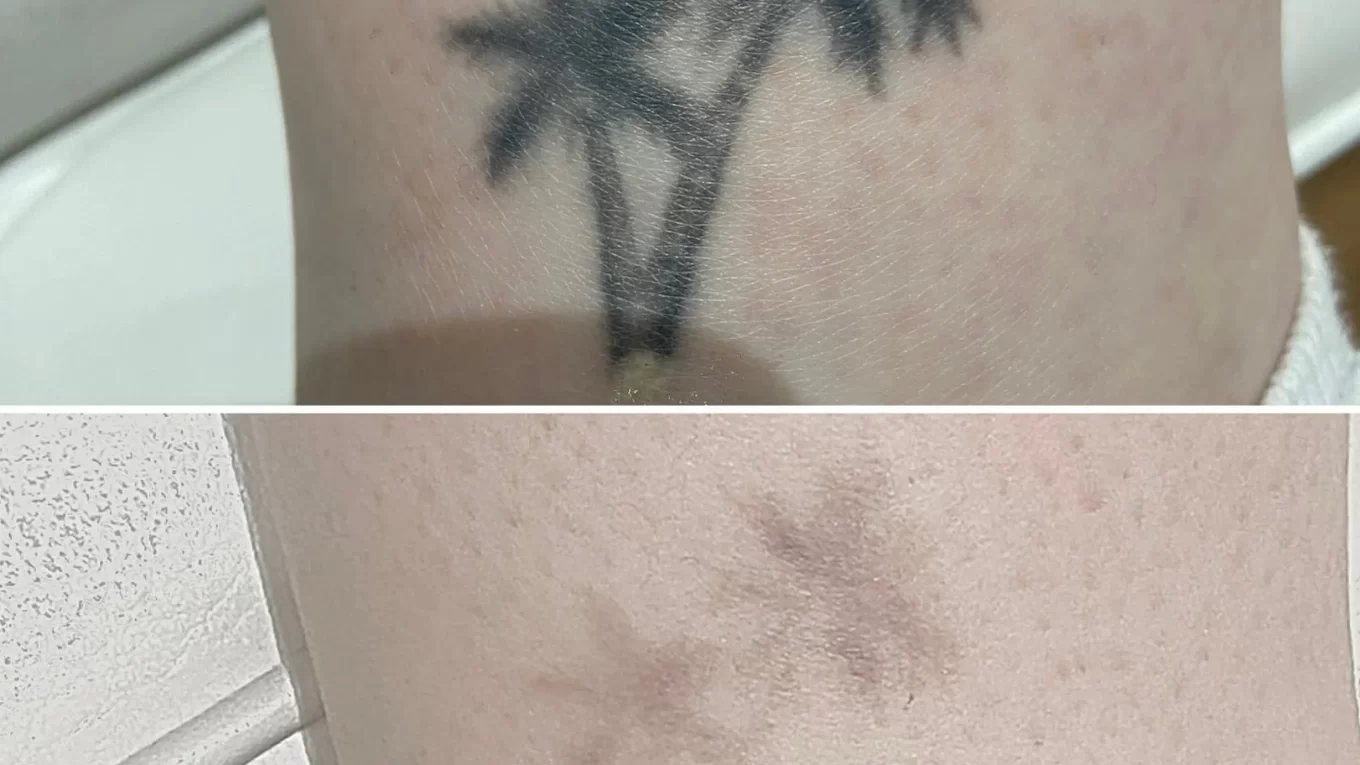
Do tattoo removal pens work?
We get it. The idea of fading out a regrettable ink job in your own bathroom sounds pretty tempting. You’re not alone if you’ve typed “do tattoo removal pens work?” into Google after seeing a viral video or a too-good-to-be-true Amazon review. With terms like Neatcell Picosecond Laser Pen, Wrecking Balm, or Magic Pen floating around TikTok, the allure is real. But as someone who’s spent years correcting cosmetic tattoos and working with every kind of skin tone imaginable at Face Figurati in Melbourne, I’m here to say: not everything sold as “tattoo removal” is safe — or effective.
This guide is your no-fluff, expert-backed breakdown of what tattoo removal pens actually are, how they compare to real treatments like professional laser removal and saline solution, and why some DIY fixes do more harm than good. We’ll also look at real tattoo removal cost factors and why professional care often saves you time, money, and skin trauma.
Why people turn to DIY removal pens
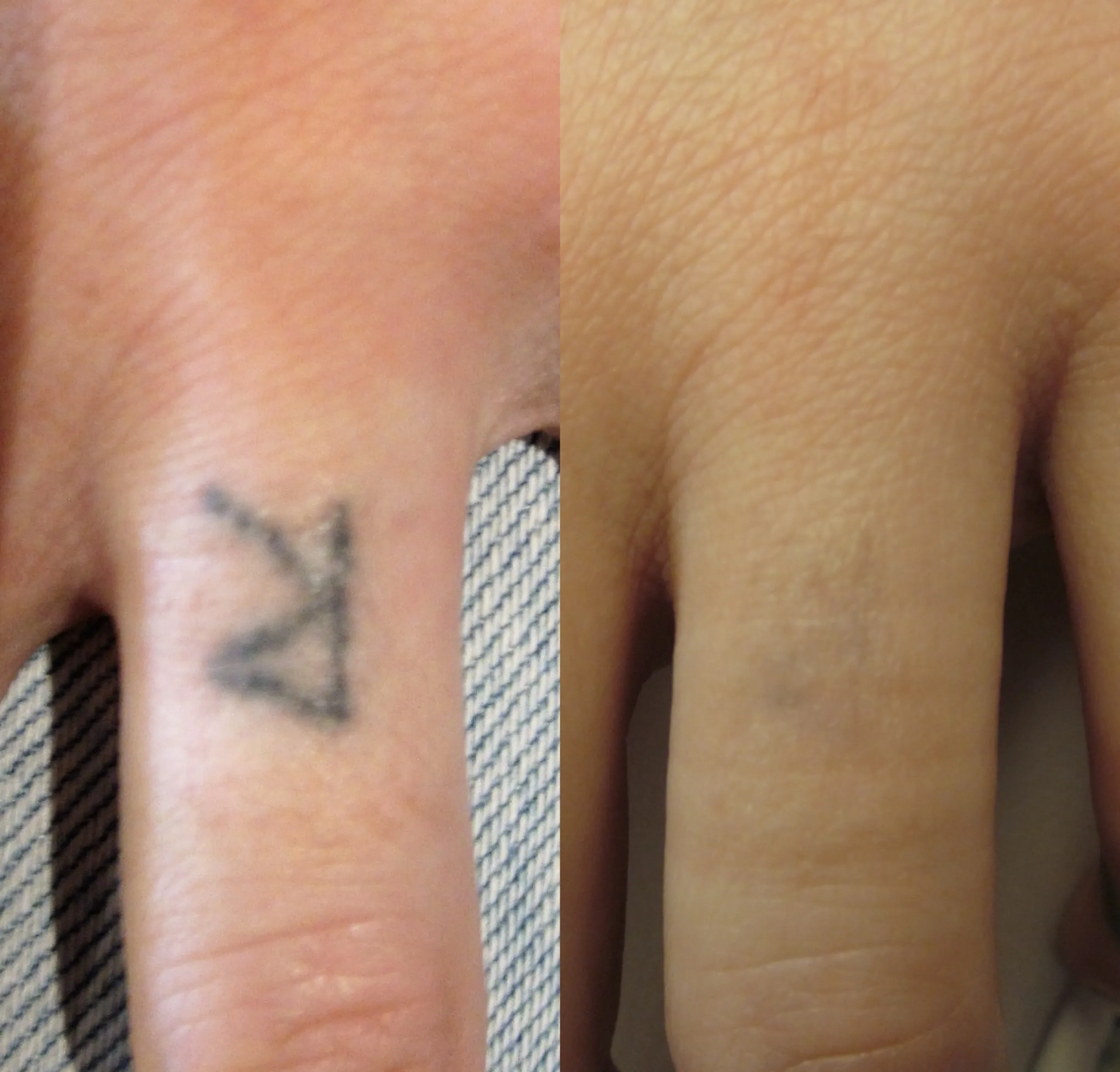
Curious about DIY tattoo removal? You’re not alone. These pens have surged in popularity lately because they seem like an affordable fix. But most clients who walk into my studio with a botched DIY job say the same thing: “I thought it would be cheaper and easier than laser treatment.”
Here’s what makes them so appealing:
- They’re cheap. You can find laser tattoo removal pens online for under $50.
- They’re convenient. No appointment needed. No travel.
- They promise quick results. Usually in vague terms like “visible fading” with no reference to proper treatment settings, post-treatment care, or user safety.
The problem? Those promises rarely align with the science of how tattoo pigment and ink droplets behave in your skin.
What is a tattoo removal pen?
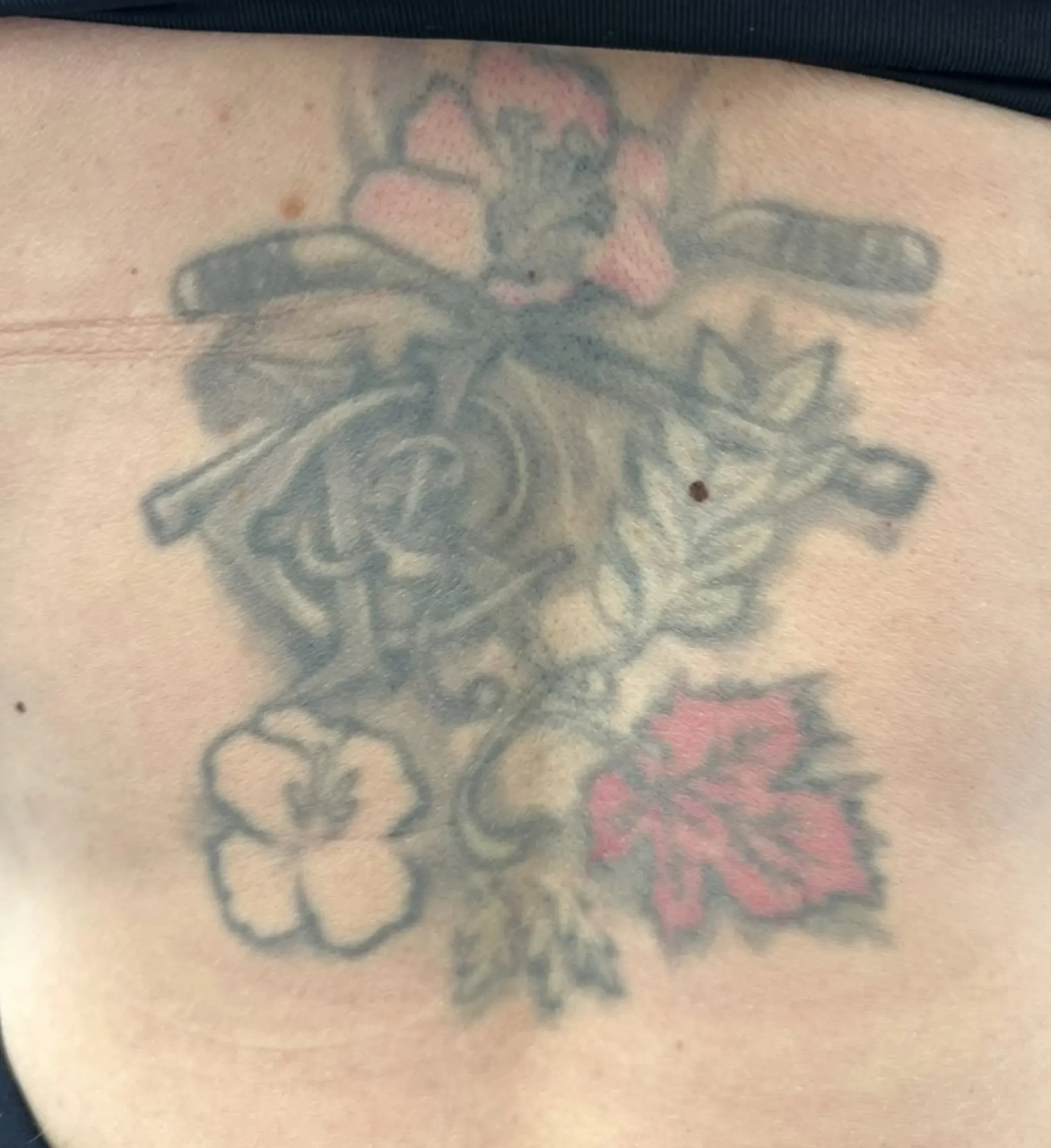
Let’s break down what you’re really buying.
Tattoo removal pens fall into two main categories:
- Acid-based pens (containing ingredients like salicylic acid, glycolic acid, or trichloroacetic acid)
- Laser-style pens (commonly referred to as Picosecond Laser Pens or Laser Tattoo Removal Pens). Laser pens, like the Lescolton Laser Picosecond Pen and others with Blue Light Wavelength 440 – 460nm or dual modes like wavelength 450nm and wavelength 850nm, claim to “blast pigment” using laser pulses. But they often lack clinical backing, consistent wavelength power, and safety standards like those used by Candela Medical or in professional laser removal settings.
Acid pens, on the other hand, are more like aggressive chemical creams or acid peels that irritate or inflame the upper skin layers. And both types pose serious risks of:
- Skin damage
- Skin irritation
- Skin fatigue
- Permanent scarring
- Post-inflammatory dark spots
They’re often shipped from overseas without a clear warranty policy, insurance cover, return policy page or customer service. And depending on your shipping destination, you could be hit with international customs duties on top of everything else.
How tattoos work (and why removal isn’t so simple)
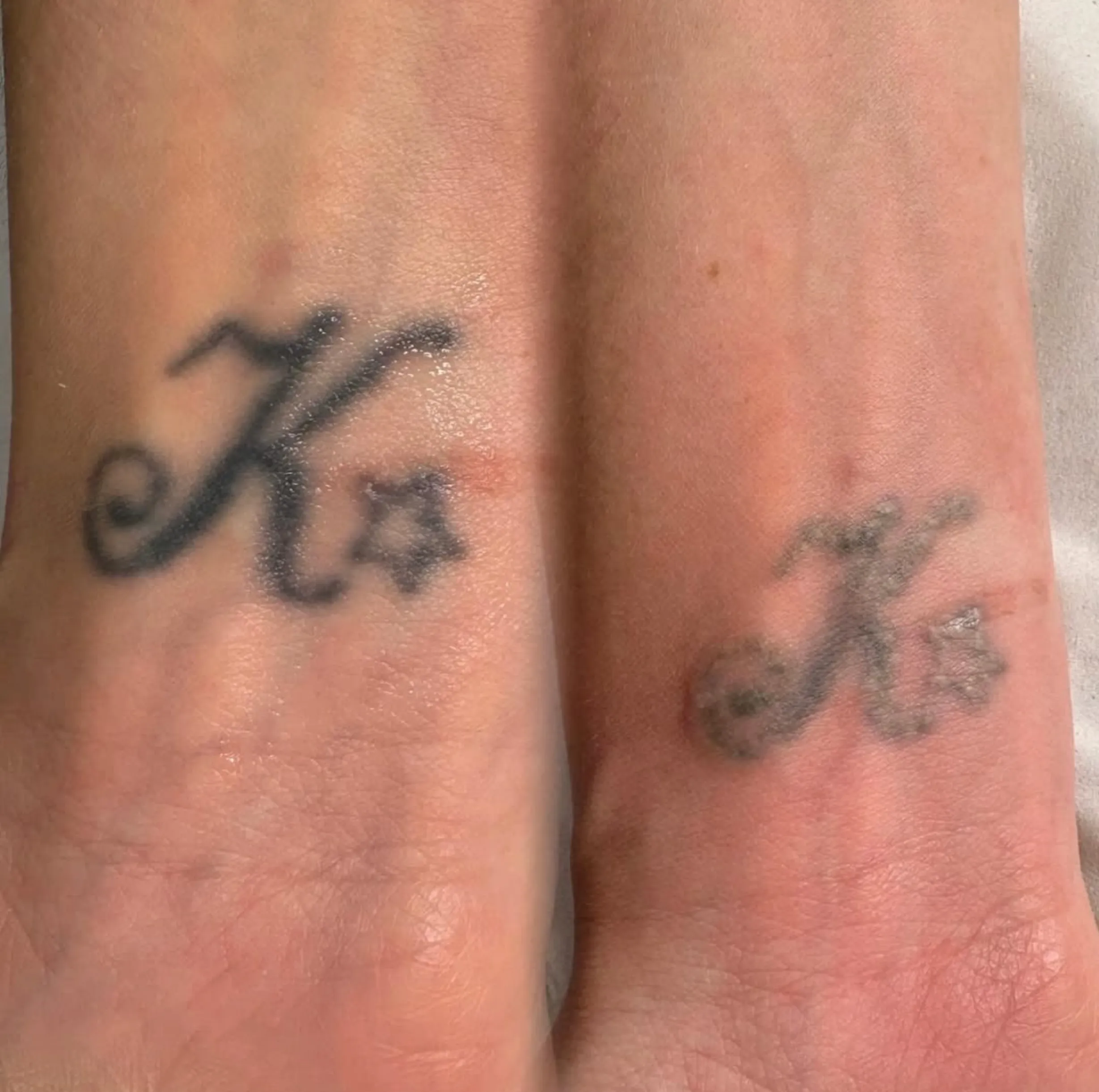
Tattoos don’t just sit on the surface. They go into the dermis — the second layer of skin — where your body can’t naturally flush out ink particles because of their size and the location in subcutaneous tissue.
Proper removal requires precision. A laser, specifically professional-grade pico lasers with wavelengths like 532 nm, can target clusters of tiny ink droplets without damaging surrounding skin tissue. It works by breaking down pigment into smaller particles, which are then absorbed through skin metabolism and flushed through the lymphatic system.
Tattoo pens? They don’t have the laser beam precision or fluence to remove pigment safely. If you’re thinking of Laser Tattoo Removal in Melbourne, go with a licensed provider who can assess your pigment, depth and skin tone properly.
| Removal Method | Penetration Level | Pigment Breakdown? | Regulated & Safe? | Scarring Risk |
|---|---|---|---|---|
| Laser (e.g. Pico lasers, Candela) | Dermis | Yes | Yes (TGA approved) | Low (if done professionally) |
| Saline Removal | Dermis | Yes (osmotic lift) | Yes | Low-Moderate |
| Tattoo Removal Pens | Epidermis/upper dermis | No (surface irritation) | No | High |
Real client outcomes from DIY pens
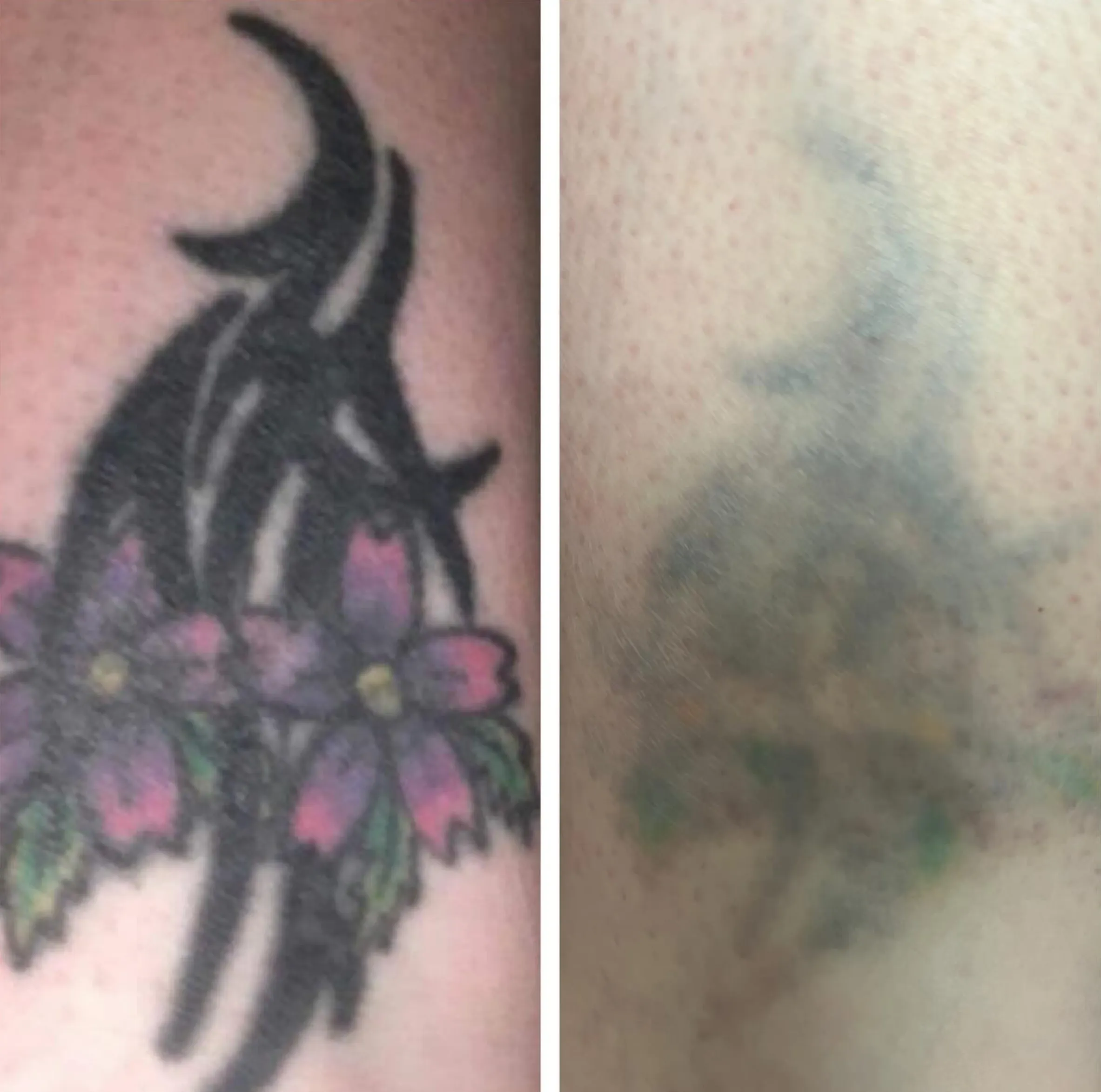
Over the years at Face Figurati Cosmetic Tattoo Studio in Melbourne, I’ve worked with clients who attempted at-home removal using everything from a DIY laser pen to chemical creams. Here’s what that usually looks like:
Case 1: A client used a Laser Pen bought online on an old brow tattoo. It created clusters of tiny needle holes and hyperpigmentation, with no actual pigment reduction.
Case 2: Another tried a topical cream with trichloroacetic acid on lip blush pigment. She ended up with inflamed, blistered skin that distorted her natural lip line.
Some even try DIY Eyebrow Tattoo Removal, hoping a laser pen can lift pigment safely. Unfortunately, these tools often leave uneven fade, skin trauma, and scars that take longer to correct professionally.
Often, these results create new complications for tattoo artists and dermatology providers who step in later to fix the damage.
Tattoo pens and skin tone
The Fitzpatrick system categorises skin from Type I (very fair) to Type VI (deeply pigmented). Tattoo removal pens are particularly risky for Types IV to VI due to high chances of:
- Hypopigmentation (light spots)
- Hyperpigmentation (dark spots)
- Scar tissue development
These tools don’t allow adjustments based on your skin tone, tattoo pigment depth, or underlying skin health. That’s why dermatologists, cosmetic tattooists, and trained laser technicians use custom treatment settings. Laser eyebrow tattoo removal done by a certified technician can reduce pigment safely while preserving the natural brow area.
What works instead?
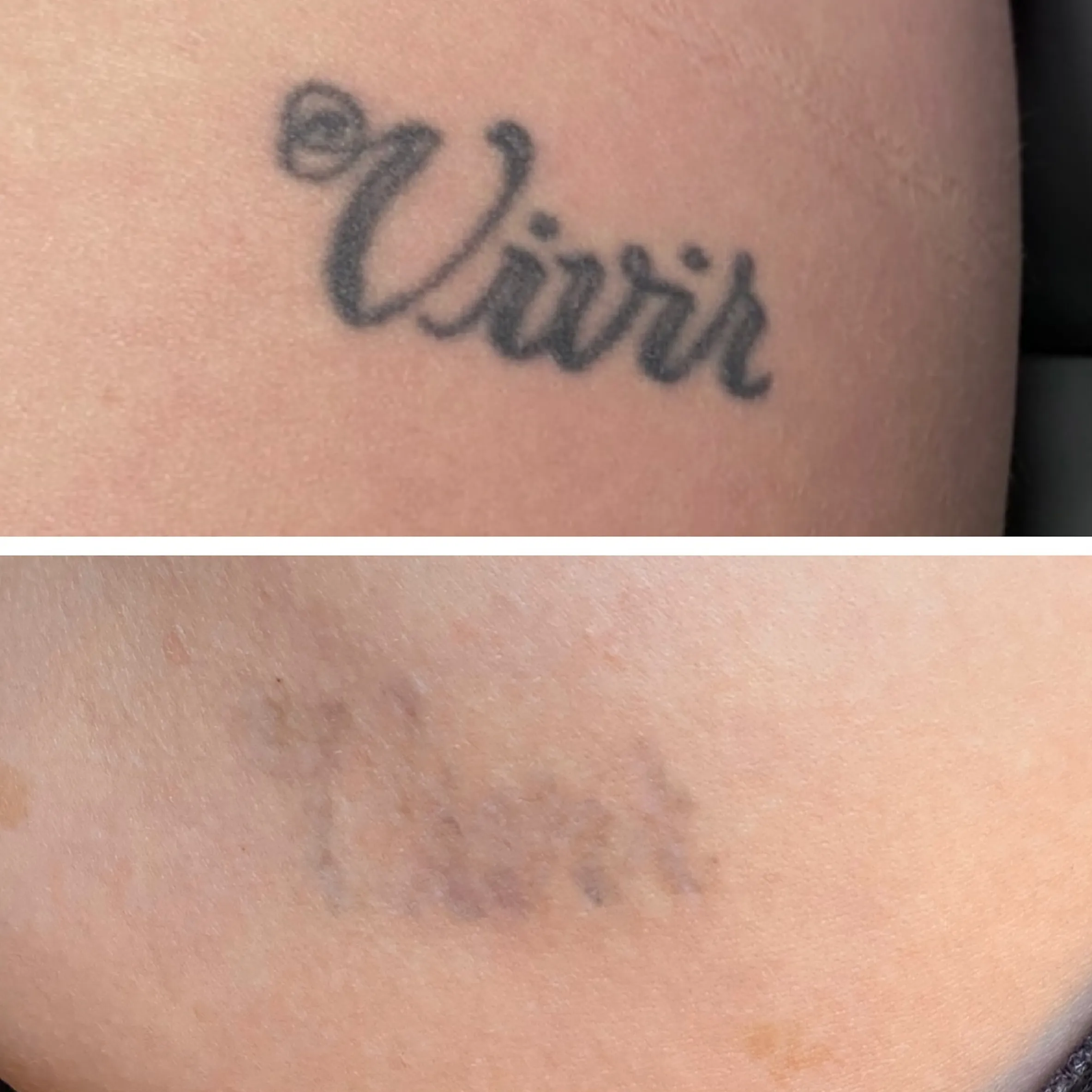
- Professional Laser Technology
Using advanced machines like the PicoSure or Q-switched systems from Candela Medical, these treatments produce laser pulses at calibrated wavelengths (532 nm, 755 nm, etc.) to break up pigment safely. Professional-grade laser tattoo removal uses targeted laser beam precision without harming the surrounding skin. - Saline Solution Tattoo Removal
Especially effective for cosmetic tattoos on brows, lips, and eyeliner. This non-laser approach is gentler and ideal when pigment allergies or darker skin tones are involved. - Surgical Excision
Reserved for small, stubborn tattoos or scarred areas. It removes the skin physically and should only be performed by a qualified dermatology provider or surgeon.
Expectation vs Reality
Proper removal involves more than a pen or pulsating pen device. It takes:
- Consultation with a trained provider
- Safety glasses and hygiene protocols
- Customised laser settings for ink colour (black ink is easiest; coloured tattoos need multiple wavelengths)
- Aftercare involving cold compresses, sunscreen (zinc oxide or titanium dioxide), wound healing routines
When done correctly, results are consistent and skin integrity is preserved. Yes, the tattoo removal cost is higher than a DIY pen — but so are the results, safety and peace of mind.
DIY tools mislead buyers
Many online ads for laser tattoo removal pens include:
- Before/after photos that are digitally altered
- No disclaimer about skin tone safety or post-care requirements
- No pigment removal guarantees
- Inaccurate claims about spider veins, tattoo regret or pigment lightening overnight
Some even imply that devices can handle unrelated conditions like spider veins or dark spots — which they can’t.
Beauty trend data: DIY on the decline
As of 2025, Google search trends show a 30% drop in DIY tattoo removal terms. Meanwhile, interest in Pico lasers, professional laser removal and licensed pigment removal services is rising in Melbourne.
The Lescolton Laser Picosecond Pen and similar products are now flagged on review platforms due to skin irritation reports and inconsistent results. At Face Figurati, we’re seeing more clients who want safe corrections after trying these tools at home.
Bottom line
So, do tattoo removal pens work? If we’re being honest: they’re not worth the risk. Whether you’re tattoo regret or just want to fade old ink, the safest bet is real tattoo artists or trained skincare experts who understand your skin tone, pigment type and long-term skin health.
Thinking of removal?
Book in with Face Figurati. We’ll walk you through Laser Tattoo Removal in Melbourne options, saline removal and everything in between — minus the side effects and dodgy warranty policies.
FAQ
Are Neatcell Picosecond Laser Pens the same as professional lasers?
No. These devices don’t match the power, pulse rate or safety controls of medical grade lasers.
Can laser tattoo removal pens remove black ink effectively?
Only if done professionally. DIY pens rarely go deep enough to break up black ink into removable particles.
What’s safer for coloured tattoos — laser or saline?
Laser with the right wavelengths (like 532 nm) works well. Saline may help lift stubborn colours in cosmetic work.
Do I need safety glasses when using a laser pen?
Yes. But more importantly, you shouldn’t be using unverified lasers at all at home. Leave it to the pros.
Are DIY creams like Wrecking Balm safer than pens?
Not really. They often contain harsh acids like trichloroacetic acid and don’t reach the ink level. You’re just damaging your skin’s surface.