Is There a Fine for Climbing Uluru?
Every time I go through the Red Centre, I hear someone say: “Is there a fine for climbing Uluru?” Fair question. Uluru has had a mix of myths, misunderstandings and the odd pub yarn that’s grown legs. In this piece, I (Paul Beames) will set the record straight, drawing on years of leading tours through Central Australia and sitting around the billy listening to locals and travellers alike.
The Short Answer: No Fine, But Total Closure
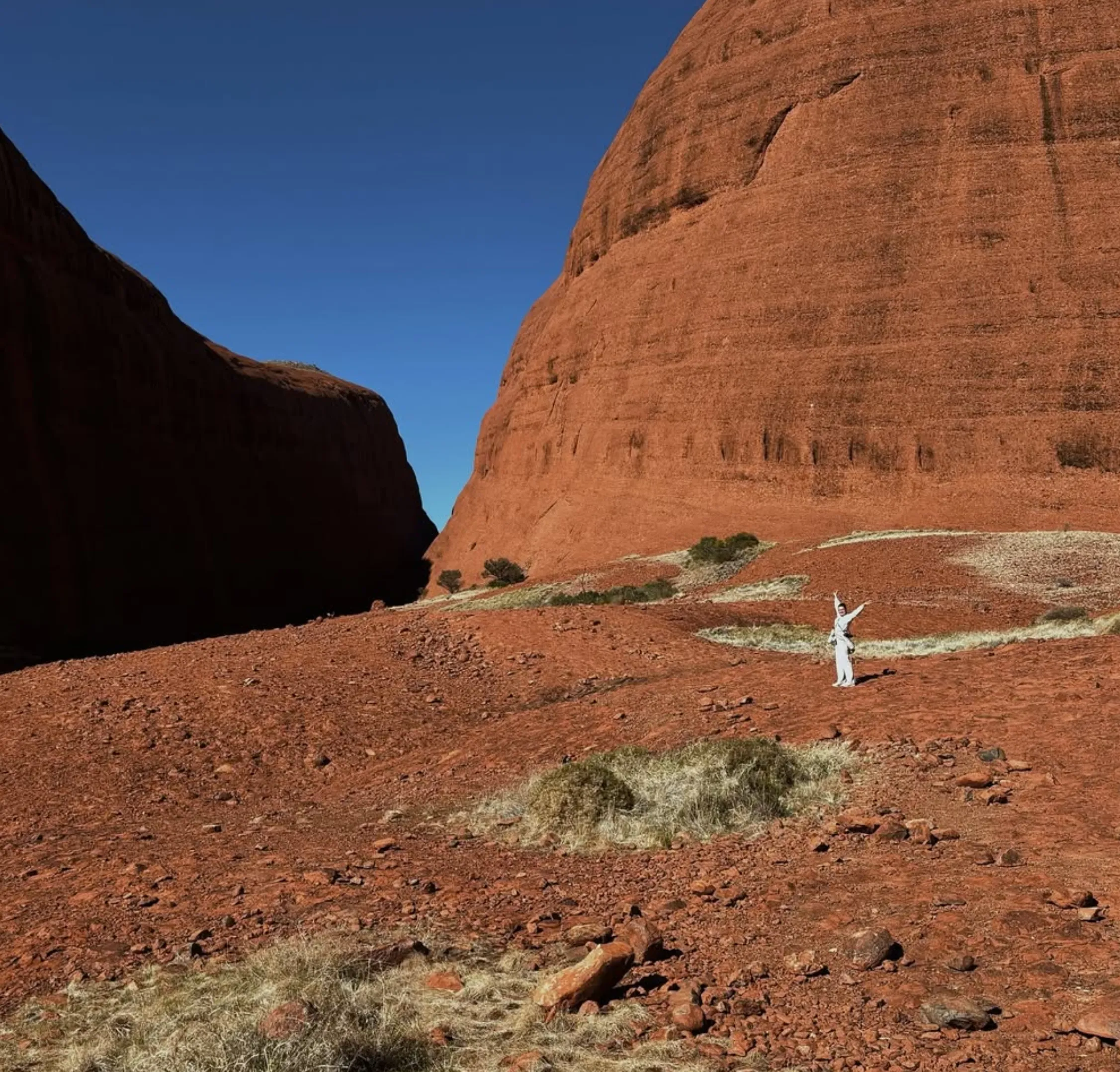
The climb on Uluru is completely closed. Parks Australia and the Anangu Traditional Owners shut it down in October 2019. You won’t get a fine because climbing isn’t an option at all. The chain and trail that used to guide people up the steep track have been removed, and signs clearly mark the climbing ban. At the base of the climb, you’ll see a sign at the climbing area explaining the spiritual significance and reasons for the closure.
So it’s not about punishment – it’s about prevention. But don’t expect to sneak around. Rangers patrol the Uluru-Kata Tjuta National Park, and if you try to climb, you’ll get booted out. You won’t get an infringement notice, but the cultural consequences are heavier than any fine.
Why the Climb Was Closed: Culture and Safety
When I first guided in the NT, climbing Uluru was still allowed, and I saw how much it weighed on the Anangu people. For them, this isn’t just a rock – it’s a sacred landmark tied to Tjukurpa (Dreaming Law). Watching lines of tourists hauling themselves up was like watching people stomp through a cathedral with their boots on.
Safety was a big factor, too. 37 people have died climbing Uluru since the 1950s. The climb chain wasn’t enough to stop falls. The track was steep, exposed and often hit by unpredictable weather in the Australian outback. Emergency rescues cost lives, resources and big dollars. Closing the climb was about preventing more tragedies.
What Happens If You Try to Climb Anyway?
Technically, you won’t get a fine like a parking ticket. But you will get consequences:
- Rangers will escort you out of the park.
- You’ll lose your park entry pass (wasting your $38).
- Tour operators won’t support or allow it – you’ll be removed from your group.
- You’ll offend the Traditional Owners.
Like ignoring the sign at the base of Uluru. You won’t get a fine, but you won’t be allowed.
Respecting Traditional Owners: What It Really Means
Many travellers think cultural respect is just about ticking boxes. Out here it’s deeper. The Anangu ask visitors not to climb, not because it’s inconvenient, but because the site is central to their Law and cultural heritage. Choosing to respect that is part of being a good guest in Australia.
When I sit with Anangu guides, they often say they’d rather travellers learn the stories, walk the base, and understand the living culture than spend ten minutes scrambling up a slope. Respect isn’t theoretical – it’s something you practise with your feet and choices.
Alternatives to Climbing: Experiences Worth Your Time
- Base Walk (10.6 km): Full loop with waterholes, sacred sites, rock art, and shaded gullies. 3–4 hours.
- Mala Walk: Guided by rangers, packed with cultural insight.
- Mutitjulu Waterhole: Permanent water source with strong stories attached.
- Sunrise and Sunset Viewing: Watch Uluru change colours – it’s more dramatic than any summit.
- Field of Light: Bruce Munro’s solar-powered art installation – a desert glow.
Many travellers book an Uluru tour to make the most of these activities. From ranger-led walks to cultural talks, guided tours provide way more value than the old climb ever did. If you’re overlanding, there are also great Uluru tours from Alice Springs that combine the rock with Kata Tjuta and Kings Canyon.
Uluru and the Broader NT Travel Rules
| Activity | Allowed? | Notes |
|---|---|---|
| Climbing Uluru | ❌ No | Permanently closed since 2019 |
| Hiking Base | ✅ Yes | 10.6 km walk, well-marked trail |
| Camping in the Park | ❌ No | Use the Yulara campground or resorts nearby |
| Photography | ✅ With care | Some sacred sites not to be photographed |
| Drones | ❌ No | Prohibited in national parks without a permit |
How to Avoid Cultural Faux Pas
- Always carry water (3–4 litres per person per day in the desert).
- Stay on marked tracks – off-track wandering can damage fragile desert ecosystems.
- Ask before taking photos of people or sacred sites.
- Respect seasonal closures – wet season floods can shut tracks fast.
- Learn a few local words – even a “Palya” (hello/thank you) shows goodwill.
- Notice the memorial plaques at Uluru – they remind us of those who lost their lives attempting the climb.
Tourism Stats and Changing Traveller Behaviour
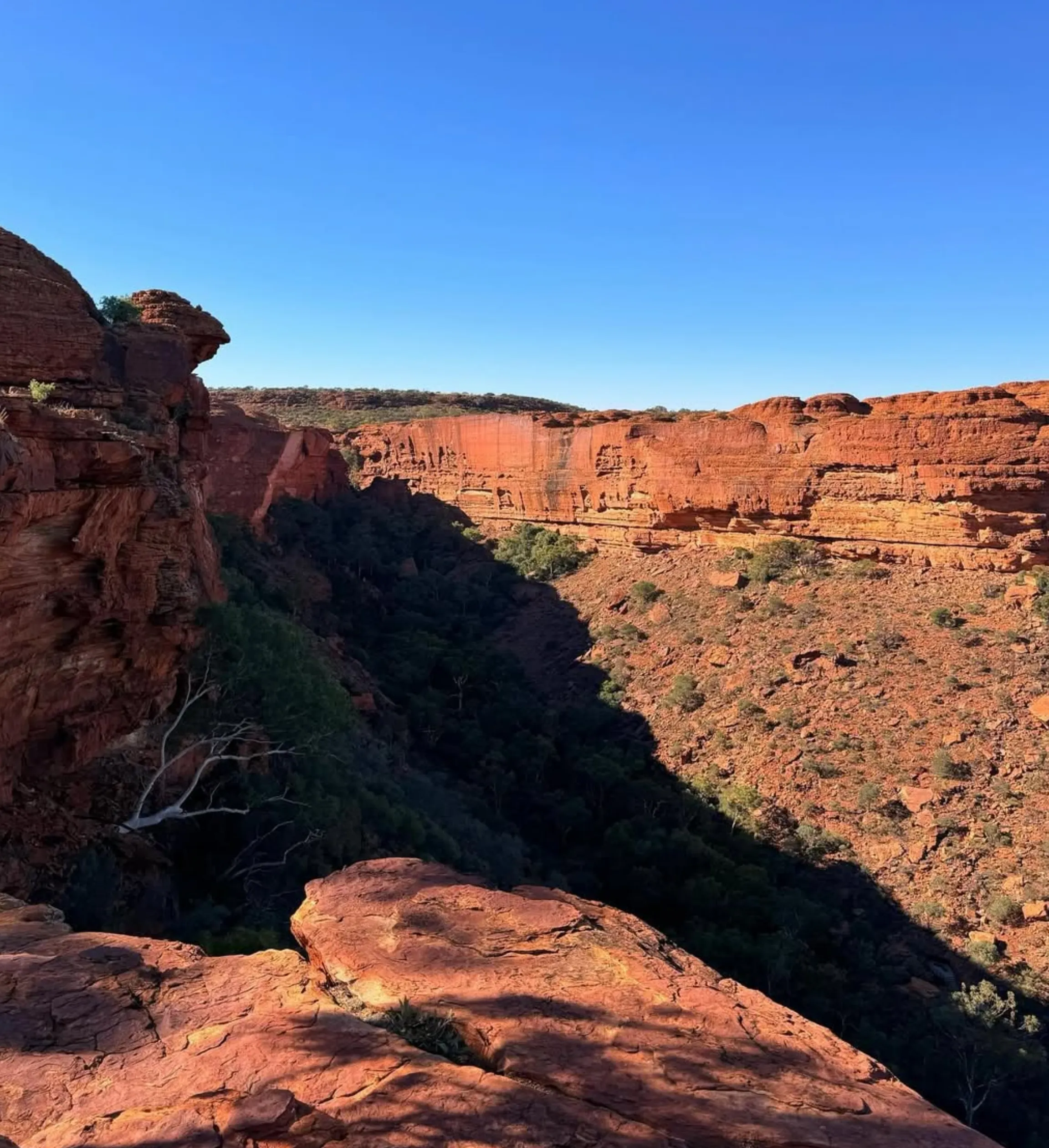
Since the climb ban, tourism numbers haven’t crashed like some expected. In fact, Parks Australia reported over 380,000 visitors in 2023, almost back to pre-COVID levels. The focus has shifted from “bucket-list climbing” to cultural immersion, ranger talks and eco-tours.
And here’s a fun fact: just like sustainable travel, beauty trends in 2025 are all about natural looks and minimalism. According to global trend reports, 65% of consumers now prefer “barely-there” makeup – same vibe as eco-tourism. Different industries, same direction: less taking, more respecting.
Choosing the Best Uluru Tour
If you’re wondering how to get the most from your visit, booking the best Uluru tour makes a big difference. Small-group operators like Wayoutback Tours or locally owned companies offer cultural depth, early access to sunrise spots and transport that saves you hiring a car. Many travellers rate the Alice Springs Uluru tour as a highlight because it combines long desert drives with storytelling from experienced guides.
My Own Epiphany
I’ll be honest – back in my early guiding days, I did the climb. No fines, no signs, just a line of sweaty tourists and a dodgy chain. Halfway up, clinging to the sandstone with the wind howling, I realised two things: one, this was bloody dangerous; two, I didn’t belong up there. The view from the top didn’t compare to hearing Anangu stories at the base. That moment changed how I guide and how I talk to travellers today.
Final Takeaway: Travel with Respect
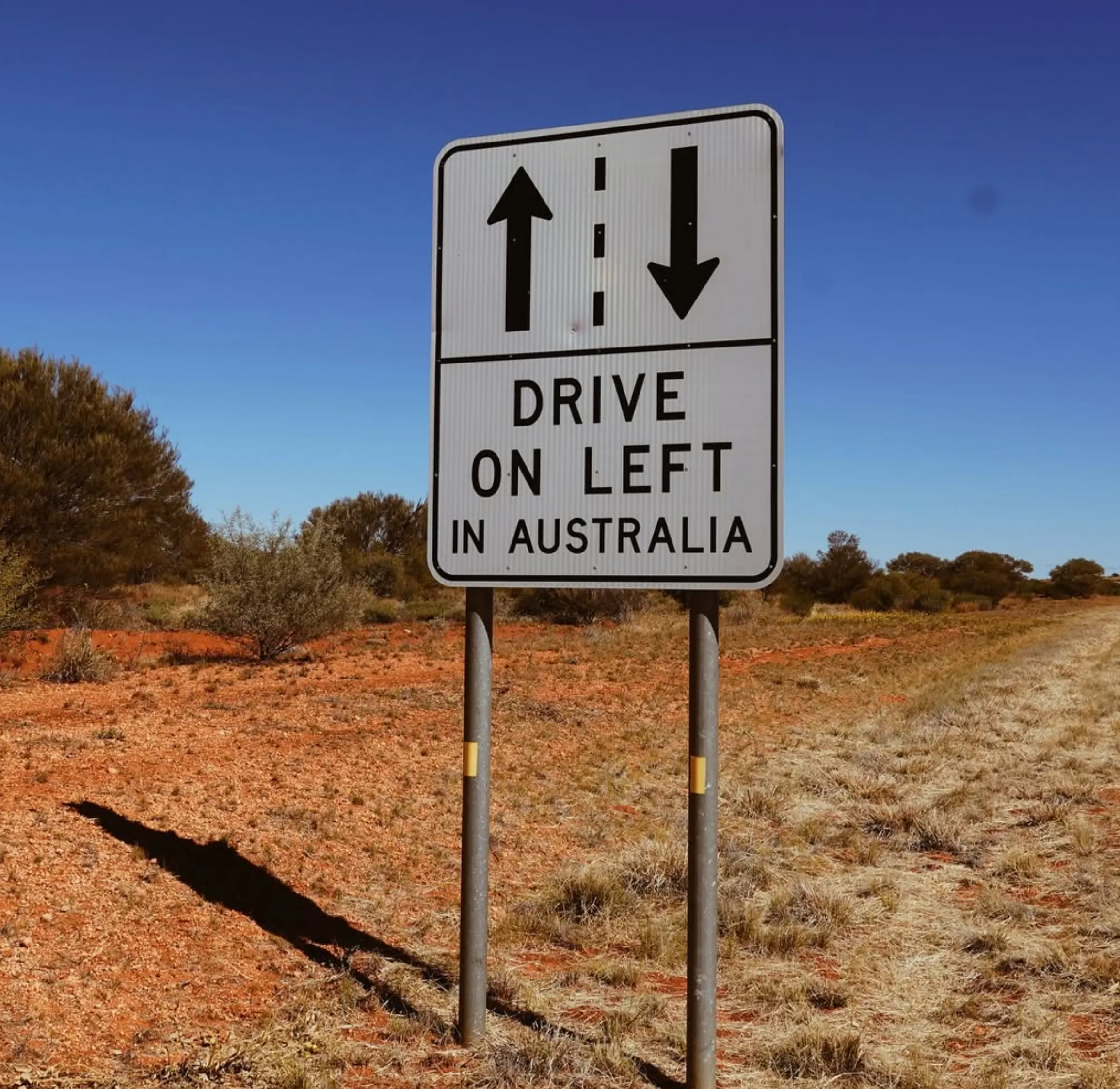
So, is there a fine for climbing Uluru? No, because the climb is closed outright. The real penalty is missing the chance to connect properly with this desert icon. Respecting the closure isn’t about rules; it’s about acknowledging living culture, spiritual significance and staying safe in a harsh environment.
If you’re planning your Red Centre trip, ditch the thought of “conquering” Uluru. Instead, give yourself the gift of walking slow, listening deep and letting the rock tell its story. That’s where the real magic lies.
FAQ
Can I still hike on Uluru?
No. Hiking on the rock itself is banned, but you can walk around the base on marked trails.
How much is the Uluru park entry fee?
$38 per adult (3-day pass). Kids under 18 are free.
What’s the best time of year to visit?
May to September (the dry season) is cooler and clearer.
Are drones allowed at Uluru?
No. Drones are banned unless you have a special permit.
Can I camp at the base of Uluru?
No. Camping is not allowed in the park. Stay at Yulara, which has campgrounds and resorts.